
Back Pain
6 min read
How Back Pain Treatment Can Help You Move After a Flare-Up
Discover how back pain treatment in Laguna Hills can ease discomfort, restore movement, and support a safer return to daily activities after a flare-up
Read the article
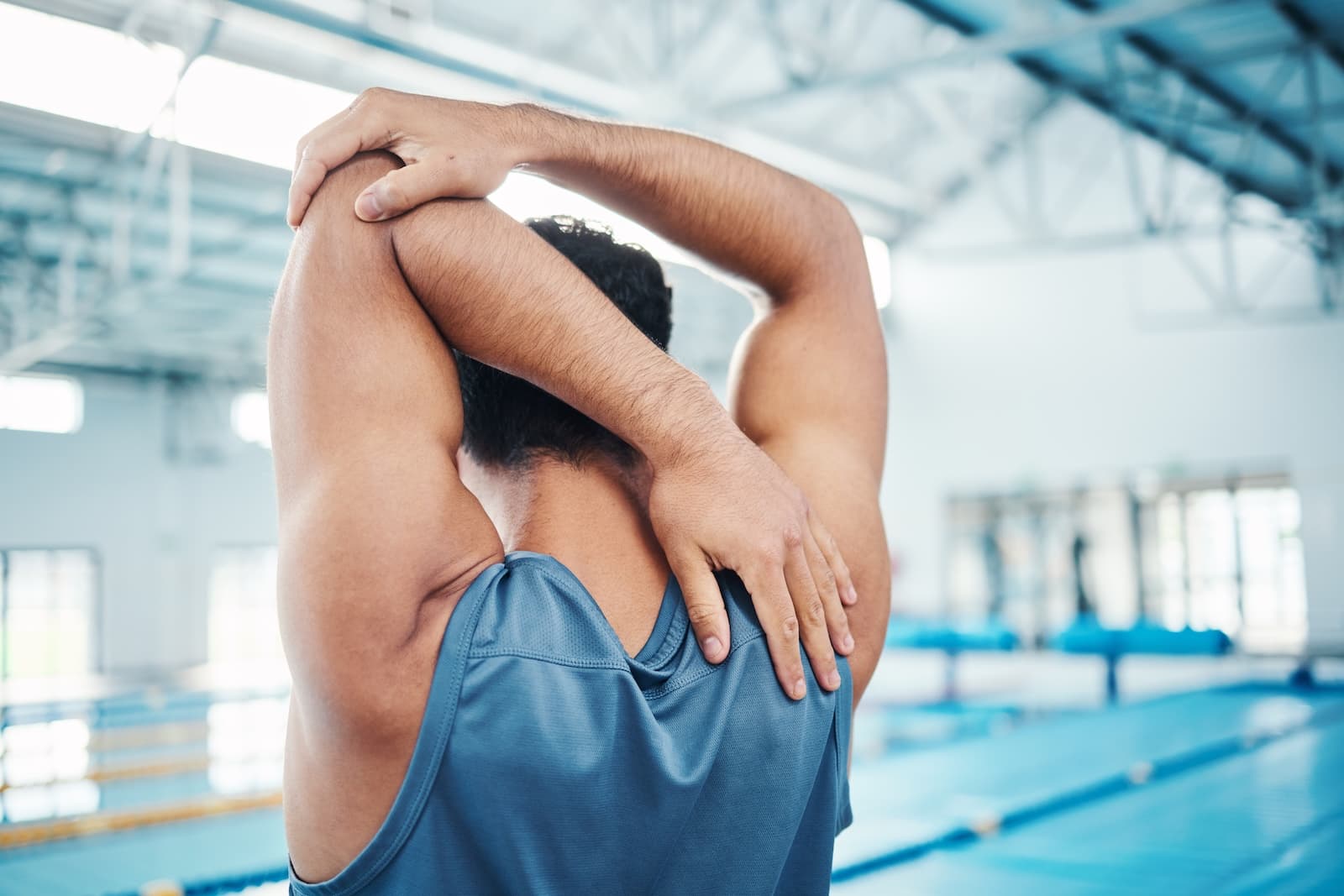
Rest has a place after an injury, especially when a movement is painful or a body part feels irritated. Still, athletes and active adults often need more than time off to feel ready for the activities they enjoy. At Aligned Health, we help guide a thoughtful return to movement that considers pain, mobility, strength, and confidence.
No two injuries follow the same path. A mild muscle strain may need a different plan than recovery after surgery, recurring back pain, or shoulder trouble from swimming or tennis. Rather than pushing you to return too quickly, we focus on helping you build toward the real demands of your work, workouts, recreation, or sport.
Early rest can help protect an injury from getting worse. That does not always mean complete inactivity, though. Under professional guidance, some people may be able to continue modified movements that keep other areas of the body active without aggravating the injured area.
Too much inactivity can create its own challenges. We often see prolonged rest lead to stiffness, reduced range of motion, weakness, lower endurance, and worry about moving again. Those changes can make a return to running, lifting, cycling, golf, or youth sports feel harder than it needs to be.
Waiting until every bit of discomfort is gone can also keep people sidelined longer than necessary. Pain matters, but it is only one piece of the picture. When we look at readiness, we also consider factors such as:
Sports rehab in Laguna Hills is a structured approach to rebuilding the abilities you need for your own goals. We begin by looking at how you move, where limitations may be showing up, and what activities matter most to you. From there, a care plan may include rehabilitation exercises, mobility work, chiropractic care when appropriate, and recovery therapies based on your needs.
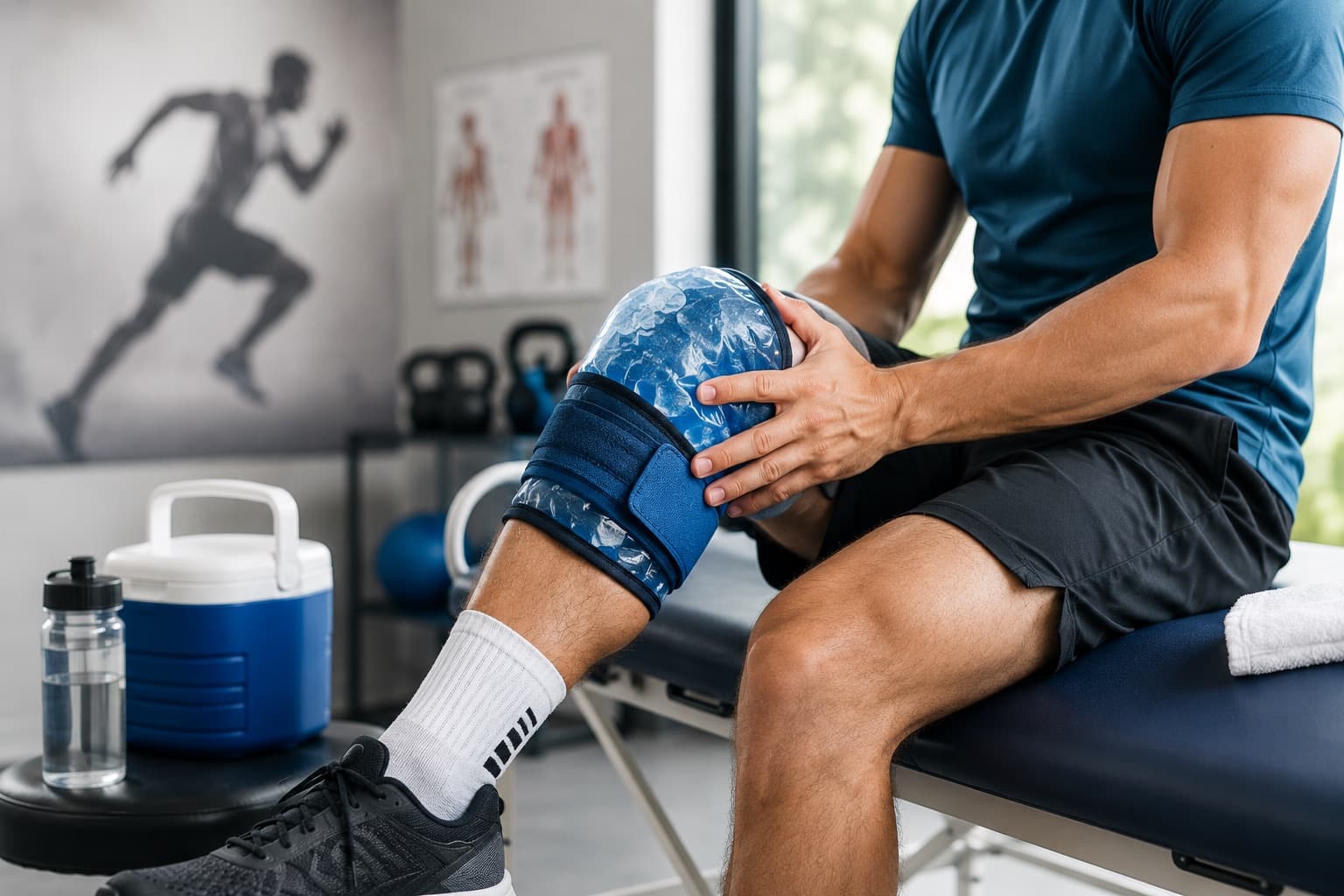
Symptoms do not always tell the whole story. Knee pain, for example, may be connected with limited ankle movement, weakness around the hips, poor landing form, or a sudden jump in training volume. If we only focus on the sore knee, the same issue may keep coming back. A broader assessment helps us look for contributing factors that may be affecting how your body handles activity.
Your plan should also match the activity you want to return to. A runner may need to rebuild tolerance for repeated impact. A tennis player may need shoulder stability, rotational strength, and control during overhead motions. Someone recovering after surgery may first need to feel comfortable walking, climbing stairs, and handling daily tasks before moving toward more demanding exercise.
The point is not to train like an athlete on day one. It is to build a foundation that gives you a safer path forward.
The body adapts when it receives the right amount of challenge and enough time to recover. Progressive loading simply means making gradual changes instead of taking a large leap from rest to full activity. We may increase resistance, repetitions, range of motion, activity time, or movement difficulty as your body is ready.
Earlier phases of rehabilitation often focus on calming irritation, restoring comfortable movement, and introducing basic strength. As you improve, we can work toward the skills that better reflect your daily life or sport. Depending on your goals, that may include balance, coordination, endurance, lifting, jumping, speed, or controlled changes of direction.
Progress is easier to understand when we look beyond a pain score. Useful milestones may include:
Open communication matters throughout this process. If symptoms change, an exercise feels harder than expected, or your season schedule shifts, we can adjust the plan. Recovery is rarely a straight line, and a personalized approach gives us room to respond to what your body is telling us.
“Recovery is rarely a straight line. A plan that can adapt with you is more valuable than one that only moves forward.”
Late summer often brings a quick change in routines. Students return to school sports, fall leagues begin, weekend recreation picks up, and many adults get back into regular gym habits after travel or a less structured summer schedule. That increase in activity can expose lingering stiffness, weakness, or pain that was easier to ignore during a break.
Sports rehab in Laguna Hills can be helpful before a concern becomes a larger interruption. For active adults, student athletes, and recreational competitors, an evaluation can identify movement limits that may affect a return to practice, training, or favorite activities. Addressing those limits early can help create a more confident transition into a busy fall season.
Rest can be useful after an injury, but it is rarely the whole plan for someone who wants to move, train, work, or play with confidence again. A guided rehabilitation plan can help you rebuild mobility and strength in a way that respects your injury history, current symptoms, and personal goals.
Before returning to full activity, give yourself time to build capacity for the movements you will actually need. A gradual plan, professional guidance, and honest communication about how you feel can help you make decisions based on more than pain alone.
At Aligned Health, we create personalized plans that support your goals, movement demands, and recovery timeline. Explore sports rehab in Laguna Hills to see how we can help you progress with clarity and purpose. When you are ready to discuss your next steps, contact us to schedule an appointment.
Written by
Dr. Dustin Hack, D.C.
Chiropractor · Aligned Health
Ready when you are
Schedule now. Most PPO plans accepted.
Keep reading
Discover how back pain treatment in Laguna Hills can ease discomfort, restore movement, and support a safer return to daily activities after a flare-up
Learn how therapeutic ultrasound in Laguna Hills may help ease pain, promote circulation, and support recovery from stubborn soft-tissue injuries