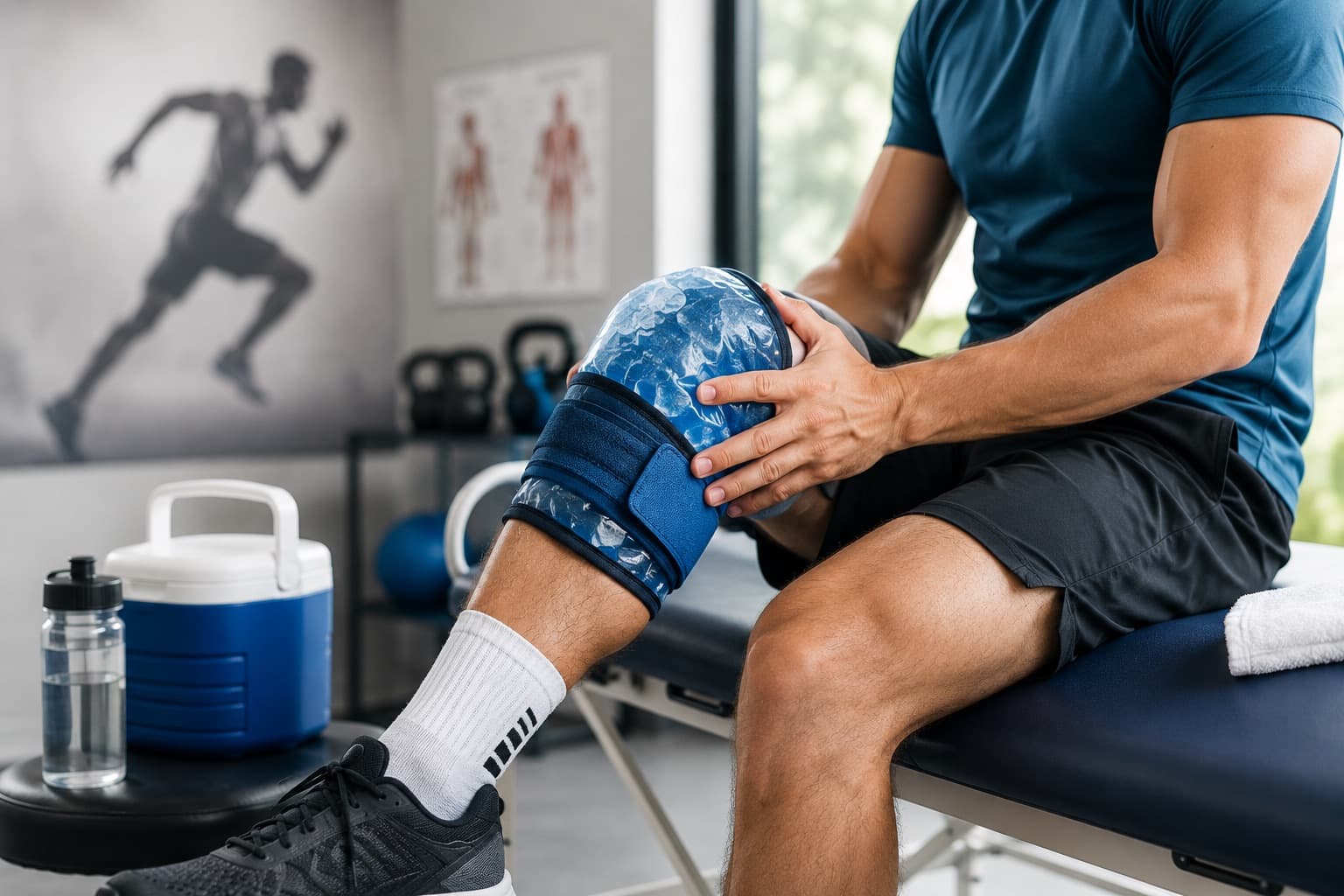
Lingering soft-tissue pain can make simple movement feel like a daily negotiation. Maybe your shoulder still aches when you reach overhead, your ankle feels stiff after an old sprain, or a sore tendon keeps returning every time you get back to the gym. When discomfort lasts longer than expected, it can affect work, sleep, workouts, and the things you normally enjoy.
At Aligned Health, we look at more than the painful spot. A thoughtful recovery plan considers how you move, what stresses the area, and what your body needs to regain comfortable, confident function. Therapeutic ultrasound in Laguna Hills may be one part of that plan for certain soft-tissue concerns.
Move Beyond Lingering Pain with a Targeted Plan
Soft tissues include muscles, tendons, ligaments, and fascia, the connective tissue that surrounds and supports other structures in the body. These tissues can stay sensitive after an injury, surgery, repetitive strain, or demanding sports activity.
Even after the first phase of an injury has passed, everyday habits can keep the area irritated. Weakness, limited mobility, altered movement patterns, and returning to activity too quickly may all continue to place stress on healing tissue. We often see people start compensating without realizing it, such as shifting weight away from one leg or avoiding a painful shoulder movement. Over time, those changes can affect nearby muscles and joints too.
Fall can also be a busy season for the body in Laguna Hills. Sports schedules pick up, hiking and outdoor activities continue, workout routines change, and holiday plans may mean more time on your feet, traveling, lifting, or sitting. Addressing unresolved discomfort early can help you approach the season with a clearer understanding of what your body needs.
Therapeutic ultrasound is not a stand-alone cure for every injury. Instead, we may consider it as one tool within a broader care plan that can include chiropractic care, hands-on treatment, corrective exercise, rehabilitation, and recovery-focused strategies.
What Ultrasound Therapy Does for Soft Tissue
Therapeutic ultrasound is different from diagnostic ultrasound. Diagnostic ultrasound is used to create images inside the body. Therapeutic ultrasound uses high-frequency sound waves delivered through a handheld device to a targeted treatment area.
During treatment, we apply a small amount of gel to the skin. The gel helps the sound waves travel comfortably between the applicator and the tissue beneath it. Depending on the settings and the clinical goal, ultrasound may be used for gentle deep-tissue warming or mechanical stimulation intended to support circulation and tissue mobility.
Settings are not the same for every person or every injury. We consider factors such as the affected body part, how long symptoms have been present, your movement limits, and how the area responds during care. That is why therapeutic ultrasound in Laguna Hills should begin with an evaluation rather than a one-size-fits-all treatment visit.
Before recommending a therapy, we can look at:
- What movements trigger pain, stiffness, or weakness
- Your injury history, surgery history, and previous care
- Strength, mobility, balance, and movement patterns
- Work duties, sports demands, and everyday activity goals
This fuller picture helps us decide whether ultrasound makes sense as part of your rehabilitation plan.
When Lingering Injuries Need More Support
Persistent soft-tissue symptoms can show up in many forms. A muscle strain may still feel tight weeks later. A tendon may become irritated each time activity increases. Scar tissue after surgery can be associated with stiffness or restricted movement. Sprains, repetitive-use discomfort, and stiffness after immobilization may also need a more complete assessment.
Not every diagnosis calls for therapeutic ultrasound, and no single treatment fits every person. What matters is understanding why the discomfort has continued. Pain that lasts beyond your expected recovery window can lead you to change the way you walk, lift, sit, train, reach, or sleep. Those workarounds may feel helpful in the moment, but they can place added strain elsewhere.
Professional guidance may be worth considering when you notice:
- Pain that returns each time you resume activity
- Reduced range of motion or ongoing stiffness
- Weakness, swelling, or trouble using the area normally
- Difficulty returning to work, sports, or regular exercise
- Discomfort that interrupts sleep or daily routines
Rather than pushing through symptoms, we recommend finding out what is driving them. A clear assessment can help separate temporary soreness from a problem that needs more focused support.
What a Therapeutic Ultrasound Visit Feels Like
A therapeutic ultrasound visit is generally simple and comfortable. Once we identify the treatment area, we apply gel and move the ultrasound applicator over the skin for a set period of time. Most people feel little to no sensation. Depending on the settings, some people may notice mild warmth.
Ultrasound is usually incorporated into a larger treatment visit, not treated as the entire recovery plan. Based on your needs, we may pair it with mobility work, soft-tissue treatment, chiropractic care, guided rehabilitation exercises, or recommendations to adjust certain activities while the area recovers.
Progress can look different from one person to the next. Some people notice temporary changes in comfort or mobility, while others need a series of visits and steady rehabilitation work before seeing meaningful changes. The condition involved, how long symptoms have been present, overall health, activity level, and consistency with the plan can all affect the process.
Build a Plan for Confident Movement
Passive therapies can have a place in recovery, but active rehabilitation helps create lasting change. If therapeutic ultrasound is selected, we may use it to support symptom management or prepare an area for movement work. Strengthening, flexibility, balance, posture, and movement retraining are often equally important parts of helping you return to the activities that matter to you.
Our care plans can be tailored for active adults, people recovering after surgery, workers with repetitive physical demands, and athletes returning to sport. Your goals guide the conversation. That may mean walking more comfortably, getting back to the gym, returning to a favorite sport, or feeling more capable during daily tasks.
The right treatment is the one that fits your condition and your current stage of recovery. When pain continues to limit movement, a thorough evaluation can help determine whether rehabilitation, chiropractic care, recovery therapies, therapeutic ultrasound, or a combination of approaches may best support safe progress.
Support Your Next Step Toward Comfortable Movement
At Aligned Health, we create care plans around your needs, goals, and daily activities. Learn whether therapeutic ultrasound in Laguna Hills may be an appropriate part of your treatment plan. To schedule an evaluation or ask questions about our services, contact us today.