Give Your Calves a Smarter Recovery Plan
Tight, achy, or heavy calves can take the fun out of running, especially when fall race plans, longer routes, and hillier workouts start filling your calendar. We often see runners who assume they need to push through that discomfort, but soreness deserves attention, not guesswork.
Percussion therapy can be one tool that supports recovery by helping tight muscles feel more relaxed and making gentle mobility work more comfortable. We want you to understand why calf soreness happens, where percussion therapy may fit, and when a professional evaluation is the better next step.
Why Running Leaves Calves Tight and Tender
Your calves work hard on every stride. The gastrocnemius and soleus muscles help control landing, move the ankle, and push you forward as you run. Speed sessions, hill repeats, uneven paths, and a quick jump in mileage can all increase their workload.
Fall can also bring a busy training schedule, from October races to after-work runs and weekend long runs. When recovery falls behind training demands, your calves may start to feel stiff before a run and tender afterward.
Common reasons we see calf tightness include:
- Limited ankle mobility
- Skipping a gradual warmup
- Worn or unsupportive running shoes
- Dehydration or poor recovery habits
- Running through fatigue or suddenly increasing training load
Typical post-run soreness is usually spread through the muscle, feels better with gentle movement, and settles over the next several days. Sharp pain, bruising, swelling, weakness, numbness, or pain that changes the way you walk or run is different. Those symptoms should not be treated as ordinary soreness.
Recovery is not just about one device or one stretch. We look at the larger picture, including rest, sleep, hydration, mobility, training load, and the way your body moves. That approach can help us avoid simply masking a problem that needs more attention.
How Percussion Therapy Supports Post-Run Relief
Percussion therapy uses rapid, controlled pulses from a handheld device or clinician-guided tool. For some runners, those pulses can create a temporary feeling of relaxation in tired calf muscles. That may make it easier to move through light ankle mobility drills or gentle stretching after a challenging run.
Still, percussion therapy is not a cure for a calf strain, Achilles tendon concern, or another underlying injury. We view it as a supportive recovery method for muscles that feel fatigued or tight, not as a replacement for an evaluation when symptoms are concerning.
Pressure, speed, timing, and placement all matter. Applying too much force, staying in one place too long, or treating an irritated area can make a sore calf feel worse. Through percussion therapy in Laguna Hills, we can help you understand whether your discomfort appears muscular or whether it may be tied to ankle restrictions, hip weakness, training changes, or compensation from a past injury.
When Percussion Therapy in Laguna Hills Makes Sense
General tightness after a long run, muscle fatigue after hill training, or stiffness during a gradual return to running may be situations where percussion therapy fits into recovery. The best candidates are usually runners whose symptoms improve with easy movement and do not include sharp pain, visible swelling, or bruising.
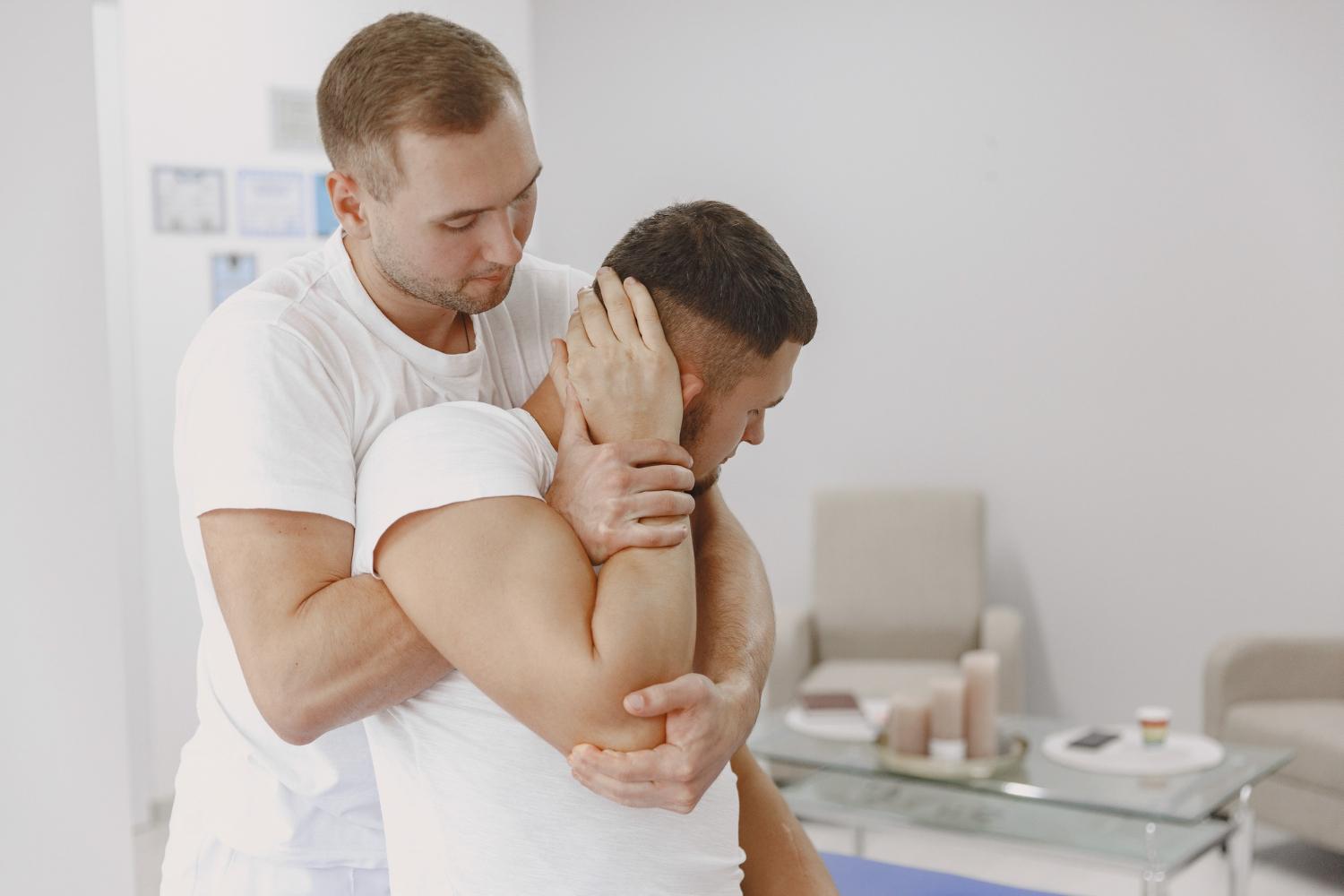
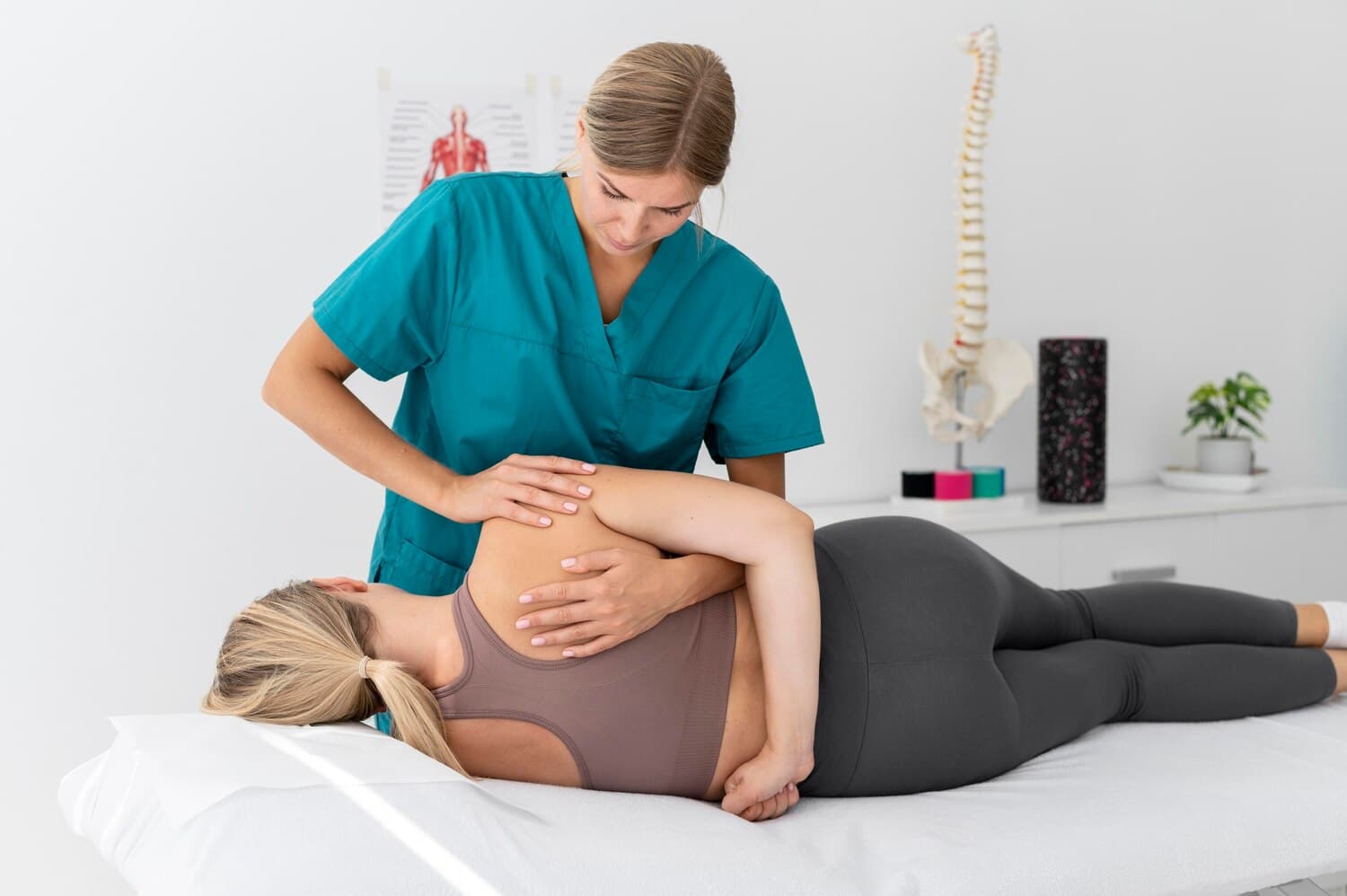
In our care plans, we consider the runner in front of us rather than relying on a generic routine. Depending on your needs, we may combine chiropractic care, therapeutic modalities, rehabilitation exercises, mobility work, and guidance around returning to activity.
Persistent calf discomfort deserves a closer look. Instead of repeatedly treating the sore spot, we can assess factors that may be adding stress to it, such as:
- Gait and posture patterns
- Joint mobility in the ankle and lower leg
- Muscle imbalances or weakness
- Previous injuries or surgery recovery
- Recent changes in mileage, pace, terrain, or footwear
For runners training through Southern California’s fall race season, proactive recovery can support more consistent workouts. Addressing tightness early may also reduce the temptation to make sudden changes to pace, distance, or intensity when your body is already asking for a break.
Use Percussion Therapy Safely Around Training
Before a run, brief and light percussion may help some athletes feel less stiff when it is paired with dynamic movement. We may guide runners through movements such as controlled calf raises, walking lunges, and ankle circles to prepare the body for activity rather than relying on percussion alone.
After a run, a gentler approach can be part of a cooldown that includes easy walking, hydration, and mobility work. More intensity is not better. The goal is to support comfort and movement, not to force a tight muscle to relax or leave the area painful, numb, or irritated.
We recommend caution and professional input before using percussion therapy when you have:
- Severe tenderness, bruising, or swelling
- An acute injury or suspected stress injury
- Numbness, tingling, or other nerve symptoms
- Unexplained calf pain, warmth, or redness
- Recent surgery without clearance from your provider
Sudden calf swelling, redness, warmth, pain that affects walking, or symptoms that worsen instead of improving need prompt medical assessment. Self-treatment is not the right answer when the signs point beyond routine muscle fatigue.
Take the Next Step Toward Stronger Runs
Calf soreness does not have to derail your training, but it should guide your recovery choices. We can evaluate persistent tightness, sports injuries, mobility concerns, post-surgical rehabilitation needs, and return-to-running challenges with an individualized approach.
The practical takeaway is simple: use percussion therapy as one thoughtful part of recovery, not as a way to ignore pain. When your calves feel tight, pay attention to how symptoms behave, give your training load the respect it deserves, and seek professional assessment when something does not feel right.
At Aligned Health, we can help you understand which recovery strategies best support your movement, comfort, and training goals. Learn more about percussion therapy in Laguna Hills and the personalized care options we offer. If you have ongoing calf discomfort or questions about your symptoms, contact us to schedule an assessment.