
.jpg&w=3840&q=75)
Back Pain
6 min read
Intersegmental Traction for Desk-Related Back Stiffness
Learn how intersegmental traction in Laguna Hills may help ease desk-related back stiffness, support mobility, and complement a personalized recovery plan.
Read the article
After a hard gym workout, long ride, weekend hike, sports practice, or race, you may notice heavy legs, muscle soreness, stiffness, or a tired feeling that lingers into the next day. Those signals do not always mean something is wrong, but they can affect how comfortably you move and train.
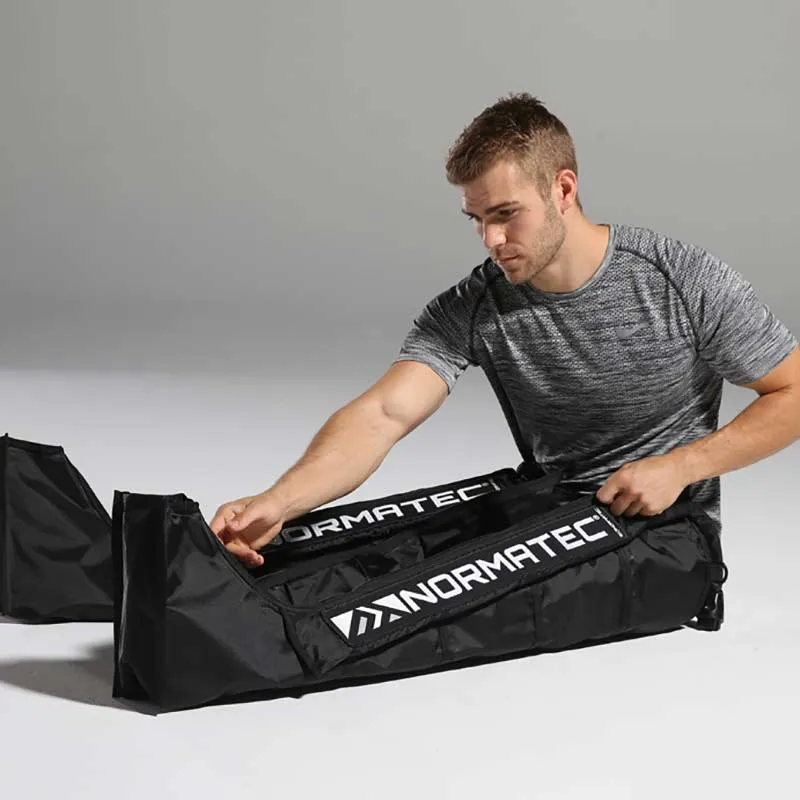
At Aligned Health, we work with active adults across Southern California who want to keep moving without treating recovery like an afterthought. Pneumatic compression therapy uses inflatable sleeves that apply controlled, rhythmic pressure to the legs or another targeted area. We may recommend it for recreational athletes, competitive athletes, and people easing back into exercise after an injury. This therapy can be a helpful part of a larger plan, especially as September brings fall sports, renewed gym routines, endurance events, and fuller training schedules after summer travel.
During pneumatic compression therapy, sleeves inflate and deflate in a sequence. Instead of one steady squeeze, you feel a pulsing or wave-like pattern that moves through the treated area. The pressure is designed to support circulation and fluid movement while giving your legs a chance to rest after activity.
The sensation should feel firm but comfortable, never painful. Some people compare it to a series of controlled squeezes that release and repeat. If anything feels too intense, strange, or uncomfortable, we can adjust the settings to better match your comfort level.
People often seek compression therapy after training because they want support with:
Results can vary. Your training intensity, sleep, hydration, nutrition, injury history, and overall health can all affect how you feel after exercise. Compression therapy is not a shortcut that makes it safe to push through serious pain. Instead, we view it as one recovery tool that can fit alongside mobility work, appropriate movement, rest, and professional care when discomfort does not improve.
Before starting pneumatic compression therapy in Laguna Hills, we begin with a conversation about what your body has been through recently. We may ask about your workouts, areas of soreness, current training schedule, past injuries, health history, and recovery goals. That discussion helps us decide whether compression is appropriate and how to tailor the session to you.
Once you are set up, you will usually sit or recline comfortably while we place compression sleeves around your legs. Comfortable athletic clothing is often appropriate, and we can provide preparation guidance before your visit. From there, we choose settings based on your comfort, tolerance, and the type of recovery support you are seeking.
As the sleeves cycle, pressure may move up and down your legs in alternating patterns. Many people find the experience calming and use the time to rest after a workout. You should always let us know if the pressure feels painful, unusually intense, or different from what you expected. Recovery care should feel supportive, not like another challenge to tough out.
Timing matters because your training calendar matters. Some people use pneumatic compression after demanding lower-body workouts, long runs, cycling sessions, tournaments, strength training, or repeated sports practices. Others may prefer it during a busy stretch when they are working through several active days in a row.
September can be a demanding time for active people in Laguna Hills. Fall team conditioning, marathon preparation, school sports, golf outings, and a return to regular fitness habits can all add more movement to the week. Warm late-summer days can also leave you feeling more drained after outdoor activity, particularly when your hydration and rest have not kept pace with your training.
A thoughtful recovery plan still includes the basics. We encourage you to make room for:
If you are recovering from an injury or surgery, the right timing may look different. Your body may need a provider-guided rehabilitation plan that reflects your stage of healing and your return-to-sport goals. Passive recovery therapies can support that plan, but they do not replace rehabilitation, proper conditioning, or appropriate medical guidance.
“Recovery deserves a place in your training plan, not just an afterthought once the workout is done.”
Pneumatic compression therapy in Laguna Hills may appeal to runners, cyclists, gym-goers, golfers, hikers, and field or court athletes. We also see interest from people with physically demanding work who want to be more intentional about how they recover after a long day on their feet.
Still, soreness after a tough workout is not always just soreness. Recurring back pain, hip discomfort, knee symptoms, restricted mobility, or a recent injury may call for a closer look. Depending on your needs, we may combine chiropractic care, targeted rehabilitation, corrective exercise, and recovery therapies when clinically appropriate. That kind of personalized approach can help us focus on the reason movement feels limited rather than only the fatigue you notice afterward.
Your best recovery routine is one you can follow consistently and adjust when your activity level changes. Paying attention to how your body responds after practices, workouts, and events can help you spot when normal fatigue is becoming something that interferes with movement, performance, or daily life.
Whether your goal is returning to exercise, preparing for a fall event, or simply feeling less worn down after training, recovery should match the demands you place on your body. A plan built around comfort, movement quality, and your current needs can help you approach your next session with greater confidence.
At Aligned Health, we can help you determine whether pneumatic compression therapy in Laguna Hills fits your recovery routine. Our team takes time to understand your activity level, current concerns, and goals before recommending care. To discuss your options or schedule a visit, contact us today.
Written by
Dr. Dustin Hack, D.C.
Chiropractor · Aligned Health
Ready when you are
Schedule now. Most PPO plans accepted.
Keep reading
Learn how intersegmental traction in Laguna Hills may help ease desk-related back stiffness, support mobility, and complement a personalized recovery plan.
.jpg&w=3840&q=75)
Learn how to protect your progress after a chiropractic adjustment in Laguna Hills, including habits to avoid and simple recovery tips for better results.